 By Dud Eddy
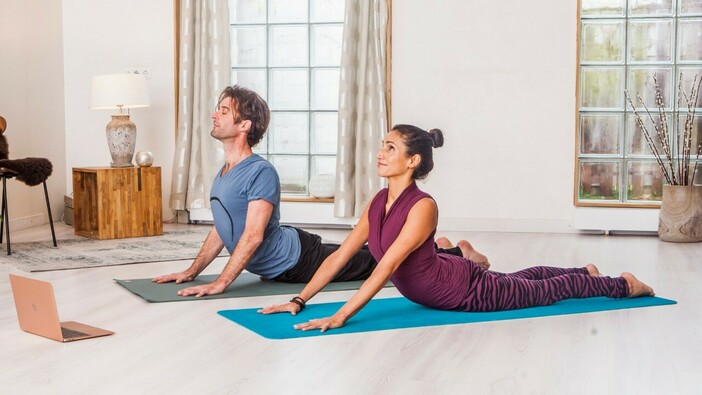
Practising yoga at home is convenient, but it can be challenging to maintain focus without the right environment. Many people discover that creating a dedicated yoga space at home, inspired by the ambience of a yoga studio Singapore, transforms their practice. It is not just about rolling out a mat in any corner. The design of your space directly impacts concentration, consistency, and overall experience. By drawing ideas from professional studios, you can recreate a setting that supports mindfulness and flow.
Why the Right Environment Matters
The practice of yoga is as much about the mind as it is about the body. A calm and organised environment signals to your brain that it is time to focus inward. When you practise in cluttered or noisy surroundings, distractions can easily pull you away from your flow.
Studios are carefully designed to minimise these distractions. At home, you can adapt the same principles. A dedicated space does not have to be large, but it should be intentional. Even a quiet corner can be transformed into a sanctuary if planned properly.
Choosing the Location in Your Home
The first step is selecting where to set up your yoga space. In Singapore, where many people live in HDB flats or apartments with limited space, this requires creativity.
Ideal spots include:
-
A spare bedroom that can be converted into a wellness corner.
-
A section of the living room with enough space for movement.
-
A balcony or outdoor area for those who enjoy fresh air during practice.
Natural light is particularly beneficial, so choosing a spot near a window enhances the ambience. If natural light is limited, consider warm, soft artificial lighting.
Flooring and Surface Considerations
Studios often feature wooden or cushioned flooring that supports safe practice. At home, the floor matters too. Practising on slippery tiles or uneven surfaces can increase the risk of injury.
To create a supportive base:
-
Use a non-slip yoga mat with enough thickness to cushion joints.
-
Place rugs or mats underneath if your floor is hard.
-
Ensure the area is clear of obstacles to allow free movement.
These adjustments not only make your space safer but also create a professional feel similar to a studio.
Creating a Calming Atmosphere
One of the reasons people enjoy studios is the peaceful atmosphere. You can replicate this through sensory elements that calm the mind:
-
Lighting: Use warm lamps or dimmable lights to create a soothing glow.
-
Scent: Essential oils like lavender or sandalwood promote relaxation. A simple diffuser can set the mood instantly.
-
Sound: Soft instrumental music or natural sounds help mask outside noise and encourage focus.
These small details contribute to a space that feels inviting and meditative.
Decluttering for Mental Clarity
Clutter can be distracting. Studios remain uncluttered for a reason—they promote mental clarity. At home, keep your yoga area clean and free of unrelated items. Use storage baskets for props, or dedicate a small shelf for your mat, blocks, and straps.
When your space is visually calm, your mind naturally follows. This reinforces the sense of discipline and commitment to your practice.
Props and Accessories to Elevate Practice
Studios provide props to support all levels of practice. At home, having a few key accessories can make sessions more effective and enjoyable:
-
Yoga blocks for balance and support.
-
Straps to assist with flexibility.
-
Bolsters for restorative poses.
-
A meditation cushion for breathwork or mindfulness sessions.
These tools make your home space feel closer to a professional studio while giving you options to modify poses safely.
Incorporating Personal Touches
While studios offer a general ambience, your home yoga space can reflect your personal style. This creates a deeper connection and makes the space uniquely yours.
Consider adding:
-
Plants for natural energy and freshness.
-
Artwork or inspirational quotes that motivate you.
-
A small altar or corner with items that hold personal meaning, such as candles or crystals.
These elements personalise your practice area, making it both functional and emotionally uplifting.
Managing Space in Small Homes
Not every home has the luxury of extra space. In smaller Singapore apartments, flexibility is key. Foldable mats, collapsible props, and multifunctional furniture allow you to create a yoga space without sacrificing living space.
For example, a section of your living room can transform into a yoga area simply by rolling out a mat and moving a coffee table temporarily. With consistent practice, your brain will start associating that space with calm and focus, even if it serves multiple purposes.
Balancing Privacy and Accessibility
Privacy plays an important role in maintaining focus. If possible, choose a space where interruptions are minimal. Let family members know your practice time so they can give you space.
At the same time, accessibility matters. A space that is too hidden or inconvenient may discourage you from practising. The goal is to find a balance where your yoga corner is easy to set up and peaceful enough for concentration.
The Psychological Impact of a Home Studio
Designing a yoga space is more than a practical arrangement. It has a strong psychological impact. Walking into a dedicated corner of your home signals to your mind that it is time for mindfulness and movement. Over time, this ritual strengthens consistency, making yoga an integrated part of your lifestyle.
When your environment supports your practice, you are more likely to maintain long-term habits, even when motivation fluctuates.
Drawing Inspiration from Professional Studios
Studios in Singapore are experts in creating environments that nurture growth and focus. Observing how they use light, sound, and layout can inspire your home design.
For example, notice how studios avoid harsh colours and keep interiors simple. They balance comfort with functionality, ensuring enough space for both group practice and individual focus. By applying these lessons, you can transform even a small corner into a mindful retreat.
Where Professional Inspiration Meets Personal Creativity
Studios like Yoga Edition remind us that the environment deeply influences practice. When you draw inspiration from them and add your own creativity, your home yoga space becomes more than a physical setup. It becomes a sanctuary where you can recharge, heal, and grow in your own time.
FAQs on Designing a Home Yoga Space
Q1. Do I need a separate room to create a yoga space at home?
No, a quiet corner of your living room or bedroom can work well. What matters is intentional design, not the size of the space.
Q2. How can I maintain focus when practising at home?
Create rituals that prepare your mind, such as lighting a candle, playing calming music, or using the same mat in the same spot each time. These cues help shift you into practice mode.
Q3. Is it necessary to buy props like blocks and straps?
Props are useful but not mandatory. Everyday items such as cushions or towels can serve as alternatives. However, investing in basic props makes practice safer and more effective.
Q4. How do I keep my yoga space clutter-free in a small apartment?
Use compact storage solutions like baskets or shelves. Dedicate a small box to yoga items so they are always organised and ready for use.
Q5. Can a home yoga space be as effective as a professional studio?
Yes, especially if you create a consistent environment that supports focus. While studios provide community energy, a home space offers privacy and flexibility that can be equally powerful.