 By Dud Eddy
Basements are designed to support the weight of an entire home while resisting pressure from the surrounding soil. When basement walls begin to bow inward, it is a clear sign that something is not right beneath or around the structure. Bowing walls are more than a cosmetic issue. They indicate underlying stress that, if left unaddressed, can lead to serious structural damage.
Understanding what causes this problem and how to fix it effectively can help homeowners protect their property and avoid costly repairs. This guide explains the key reasons behind bowing basement walls and outlines proven solutions that restore stability and peace of mind.
What Are Bowing Basement Walls
Bowing walls occur when basement walls curve or lean inward instead of remaining straight and vertical. This change in shape is typically gradual, although in some cases it can progress quickly depending on the severity of the underlying issue.
The problem is most often seen in concrete or block foundation walls. Over time, external pressure builds up and pushes against the wall, causing it to bend. Homeowners dealing with bowing walls in North Dakota properties often face a combination of soil pressure and moisture-related challenges.
Recognizing the early stages of bowing is important. The sooner the issue is addressed, the easier and more cost-effective the repair process will be.
Primary Causes of Bowing Basement Walls
Several factors can contribute to the development of bowing walls. In many cases, it is not just one cause but a combination of conditions that lead to the problem.
Hydrostatic Pressure from Water Saturated Soil
One of the most common causes is hydrostatic pressure. When the soil surrounding a home becomes saturated with water, it expands and becomes heavier. This increased pressure pushes against the basement walls.
Over time, the constant force can cause the walls to shift inward. In regions with heavy rainfall or snowmelt, this issue is especially common. Without proper drainage, water accumulation around the foundation intensifies the problem.
Soil Expansion and Contraction
Soil naturally expands when it absorbs moisture and contracts when it dries out. This cycle creates continuous movement around the foundation. As the soil expands, it pushes against the walls. When it contracts, it leaves gaps that can later fill with water.
This repeated cycle places stress on the structure. In areas where bowing walls North Dakota homes experience are influenced by seasonal weather changes, this pattern can be a major contributing factor.
Poor Drainage Systems
Improper drainage is a significant cause of basement wall damage. When water is not directed away from the home, it collects near the foundation. This leads to increased soil pressure and higher moisture levels.
Clogged gutters, short downspouts, and improper grading all contribute to poor drainage. Without correction, these issues allow water to continuously impact the foundation.
Weak Construction or Aging Materials
Older homes or structures built without proper reinforcement are more vulnerable to bowing walls. Over time, materials can weaken due to exposure to moisture and changing temperatures.
In some cases, the original construction may not have included adequate support systems. As a result, the walls may not be able to withstand long term pressure from the surrounding soil.
Freeze and Thaw Cycles
In colder climates, freeze and thaw cycles play a major role in foundation stress. Water in the soil freezes and expands during cold weather, increasing pressure against the walls. When temperatures rise, the soil contracts.
This repeated expansion and contraction can gradually push walls inward. It is a common factor in regions where temperature fluctuations are frequent.
Signs That Your Basement Walls Are Bowing
Identifying the warning signs early can help prevent further damage. Some indicators are easy to spot, while others require closer inspection.
One of the most obvious signs is a visible curve or inward lean in the wall. This may be subtle at first, but it becomes more noticeable over time.
Cracks in the walls are another common sign. Horizontal cracks are particularly concerning, as they often indicate significant pressure.
Doors and windows in the basement may begin to stick or become misaligned. This can happen as the structure shifts.
Water seepage or dampness in the basement often accompanies bowing walls. Increased moisture levels can worsen the problem if not addressed.
Why Bowing Walls Should Not Be Ignored
Ignoring bowing walls can lead to serious consequences. As the pressure continues to build, the walls may weaken further and eventually fail.
Structural instability can affect the entire home, leading to uneven floors and damage to other parts of the building. Repair costs also increase as the problem worsens.
Addressing the issue early not only protects the home but also saves money in the long run.
Effective Solutions for Fixing Bowing Basement Walls
The right repair method depends on the severity of the damage. A professional assessment is essential to determine the best approach.
Wall Anchors for Long Term Stability
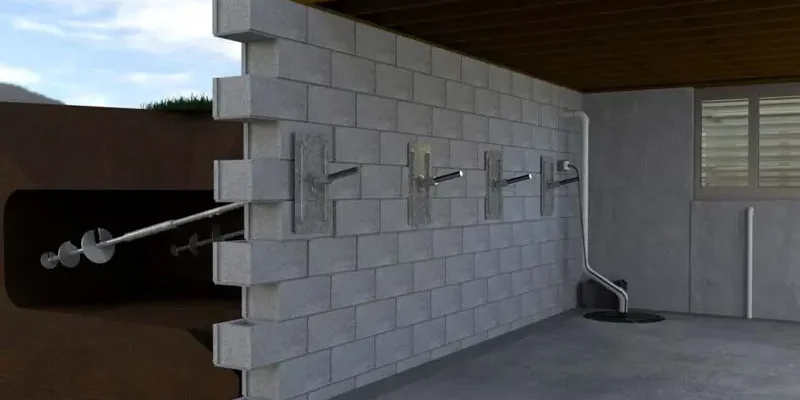
Wall anchors are a common solution for moderate bowing. They are installed by connecting the basement wall to stable soil outside the home.
Over time, these anchors can be adjusted to gradually straighten the wall. This method provides long lasting support and prevents further movement.
Steel Braces for Immediate Reinforcement
Steel braces are installed along the interior of the wall to provide additional strength. They are effective for preventing further bowing and stabilizing the structure.
This solution is often used when immediate reinforcement is needed. It is less invasive than some other methods and can be completed relatively quickly.
Carbon Fiber Straps for Minimal Disruption
Carbon fiber straps are applied directly to the wall to reinforce it. They are strong, lightweight, and do not take up much space.
This option is ideal for walls that have started to bow but are not severely damaged. It provides added support without extensive construction work.
Excavation and Exterior Repair
In severe cases, excavation may be required to relieve pressure on the wall. This involves removing soil around the foundation and repairing or replacing damaged sections.
While this method is more intensive, it addresses the root cause of the problem and provides a comprehensive solution.
The Role of Concrete Lifting in Foundation Stability
In some situations, foundation movement contributes to bowing walls. Uneven settling can create additional stress on basement walls.
Concrete lifting is a technique used to raise and level sunken sections of a foundation. By stabilizing the base, it helps reduce pressure on the walls and improves overall structural integrity.
This approach is often combined with other repair methods to achieve the best results. It ensures that the foundation is properly supported and balanced.
Preventing Bowing Walls in the Future
Prevention is key to avoiding recurring problems. With proper maintenance and planning, homeowners can reduce the risk of bowing walls.
Start by improving drainage around the home. Ensure that gutters and downspouts direct water away from the foundation. Extending downspouts can help prevent water buildup.
Proper grading is also important. The ground should slope away from the home to encourage water runoff.
Regular inspections can help identify early signs of trouble. Checking for cracks, moisture, and changes in the walls allows for timely action.
Maintaining consistent moisture levels in the soil can also help. Avoid excessive watering near the foundation and address drainage issues promptly.
When to Call a Professional
While some minor issues can be monitored, bowing walls often require professional intervention. Experts can assess the extent of the damage and recommend the most effective solution.
They have the tools and experience to implement repairs safely and efficiently. For homeowners dealing with bowing walls that North Dakota properties commonly face, professional guidance ensures that the repair is tailored to local conditions.
Attempting to fix serious structural issues without proper knowledge can lead to further damage and higher costs.
Bowing basement walls are a clear sign that your home is under stress from external forces. Understanding the causes, recognizing the warning signs, and taking action early are essential steps in protecting your property.
With effective solutions such as wall anchors, braces, and concrete lifting, homeowners can restore stability and prevent further damage. Addressing drainage and soil conditions also plays a crucial role in long term prevention.
By staying proactive and seeking professional support when needed, you can maintain a strong and secure foundation for your home and enjoy lasting peace of mind.