 By Dud Eddy
Perth winters are mild compared to the rest of the country, but that doesn’t mean the season is kind to unprotected property. Cold snaps, heavy rainfall events, and gusty southerly winds can cause real damage to vehicles, equipment, and outdoor gear left exposed on a suburban block or rural property. For thousands of homeowners and business operators across Perth, this is exactly when the question of a quality shed stops being a vague intention and becomes a practical priority.
Whether you’re after covered storage for the ute and boat, a proper workshop to keep projects ticking through the cooler months, or a large commercial structure to protect business assets, the demand for sheds in Perth tends to pick up significantly as the colder months settle in. The smart move is to plan and build before the rain arrives — not scramble for a solution after the damage is done.
This guide covers everything worth understanding before you invest in a shed: what types are available, what questions to ask a builder, what the planning process looks like in WA, and how to make sure the finished product actually suits your needs.
Why Winter Is the Right Time to Invest in a Shed
There’s a certain logic that comes with the cold season when it comes to thinking about covered structures. Gear that sat fine in the sun all summer suddenly starts to show the effects of wet weather — tools rust, vehicles deteriorate faster, and outdoor equipment takes a battering from driving rain.
Beyond the obvious protection of assets, winter also tends to be a quieter period for many construction trades, meaning lead times are often more manageable and builders can give your project more attention. If you’re planning a shed build with a concrete slab, earthworks, and a council permit, starting the process now means you could be fully operational well before peak season.
There’s also a planning advantage to scoping your build in winter. You’ll have a clearer picture of your drainage situation — where water pools, how the block handles rainfall, and where natural slope and soil conditions might affect the slab design. These observations become valuable inputs when you’re designing a structure built to last.
Garage Sheds: More Than Just Car Storage
For most suburban Perth households, a garage shed is the starting point. These are fully enclosed, lockable steel structures designed to protect vehicles — but the reality is that modern garage sheds serve far more purposes than simple car storage.
A well-designed garage shed gives you:
- Covered, lockable storage for vehicles, boats, caravans, and motorbikes
- A clean, weatherproof space for weekend projects and hobby work
- Secure storage for tools, outdoor equipment, and seasonal items
- A functional addition that adds genuine resale value to the property
The key to a garage shed that actually works is proper sizing. Many people underestimate clearance requirements — particularly if they’re planning to fit a boat on a trailer, a 4WD with a roof rack, or multiple vehicles. Getting the width, height, and door specifications right at the design stage saves a lot of frustration later.
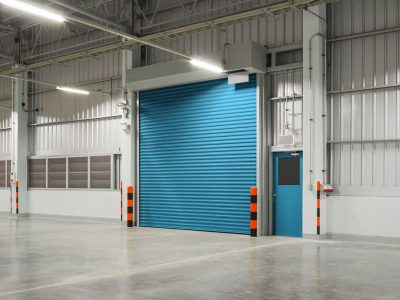
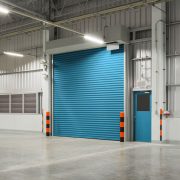
Door options are also worth thinking through carefully. Roller doors are the most common choice in Perth, offering full clearance and good wind performance. Sliding doors suit certain access layouts, and panel lift doors can be a practical option where overhead clearance is tight.
Workshop Sheds: Setting Up a Proper Workspace
A dedicated workshop shed is a different proposition to a general storage shed. These buildings need to support sustained use — which means thinking carefully about insulation, power, ventilation, floor load capacity, and layout from the outset.
Here’s what distinguishes a well-planned workshop shed from a shed that just happens to have some tools in it:
Insulation and Temperature Control
In Perth, a steel shed without insulation becomes unusable in summer and uncomfortable in winter. Properly installed insulation — whether reflective foil, fibreglass batts, or a combination — keeps internal temperatures far more stable and reduces condensation on the steel, which protects both the structure and the equipment inside.
Power and Lighting
A workshop needs serious electrical planning. Think about the number and position of double GPOs, 15-amp outlets for heavy equipment, adequate lighting (LED strip lights work well in steel sheds), and whether you’ll need a subpanel if you’re running power tools and compressors simultaneously.
Ventilation
Good ventilation matters in a workshop, especially if you’re doing painting, grinding, or working with chemicals. Ridge vents, louvre panels, and strategically placed windows create airflow and prevent heat and fume buildup.
Storage Sheds: Getting the Most from Your Space
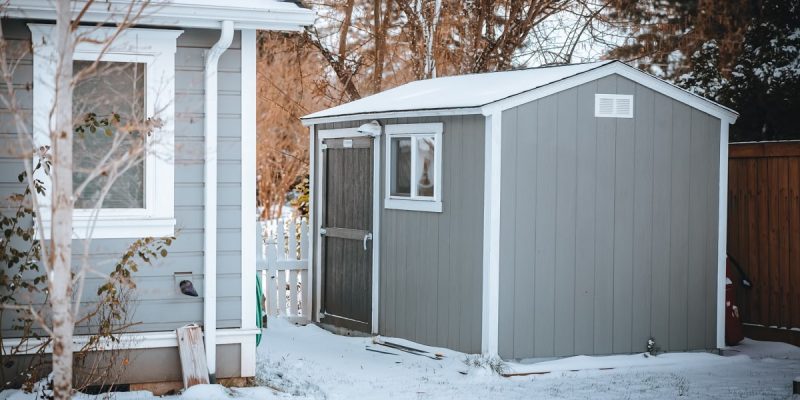
Not every shed project is about vehicles or work. Sometimes the goal is straightforward: more storage shed space that’s properly weatherproof, secure, and easy to access.
The biggest mistake with storage sheds is building too small. What feels like adequate space at the planning stage quickly fills up once you factor in shelving, clearance for moving items in and out, and the natural tendency to accumulate more gear over time. Building with a little extra floor space — even a metre or two in each direction — almost always proves to be the right call.
Other design elements worth considering for a storage-focused shed:
- Double or wide single doors for easy access with larger items
- Mezzanine or overhead storage platforms for seasonal gear
- Security features — deadbolts, security mesh, and alarm-compatible door hardware
- Guttering and downpipes to direct water away from the base
Custom Sheds: When Off-the-Shelf Won’t Cut It
Standard shed dimensions are fine for straightforward situations, but many Perth properties present challenges that require a different approach. Sloping blocks, unusual access constraints, BAL (Bushfire Attack Level) requirements, or specific structural needs all call for a custom shed designed around the actual site conditions.
Custom builds give you control over:
- Exact dimensions to suit the block and budget
- Height — especially important for vehicle hoists or tall machinery
- Door placement and type based on how you’ll actually use the space
- Material and colour choices to complement the existing house
- Structural specifications for high wind zones or elevated sites
A good shed builder will conduct a proper site assessment before quoting — checking soil conditions, wind exposure, drainage, and council requirements. This upfront work prevents costly surprises during construction.
Residential Sheds and the Council Approval Process in WA
One aspect of shed building that catches many Perth homeowners off guard is the council approval process. While smaller residential shed structures may fall under exempt development rules in some local government areas, most sheds of any significant size will require a building permit — and some will also need development approval.
Key factors that typically trigger a permit requirement include:
- Total floor area (thresholds vary by council, but 10m² is a common starting point)
- Proximity to property boundaries
- Height above ground level
- Use of the shed (habitable vs non-habitable)
- Location in a BAL-rated bushfire zone
For those looking at residential sheds across the Perth metro area, working with a builder who handles the full council application process as part of their service significantly reduces the administrative burden. They’ll be familiar with the specific requirements of each local council and can ensure the engineered drawings, specifications, and site plans are submitted correctly the first time.
Timelines for permit approval vary — typically two to six weeks depending on the council and whether the application is straightforward. Factor this in if you’re working to a deadline.
What to Look for in a Perth Shed Builder
The shed industry has a wide spectrum of operators — from national chain suppliers to locally owned builders with decades of experience on Perth sites. Knowing what to look for helps you avoid costly mistakes.
Criteria worth evaluating:
- Engineering credentials — are their sheds site-specifically engineered, or just sized from a catalogue?
- Steel quality — look for certified Australian steel from a reputable manufacturer
- End-to-end service — do they handle permits, concrete, and installation, or do you need to manage subcontractors?
- Warranty — a meaningful structural warranty backed by the steel manufacturer is a positive sign
- Local references — talk to previous clients and inspect completed builds where possible
Also consider how the builder communicates. A good builder will take the time to understand how you’ll actually use the space and will ask the right questions before they quote. A quote that arrives suspiciously fast without a site visit warrants closer scrutiny.
Conclusion
Getting a quality shed built in Perth doesn’t need to be complicated, but it does require the right approach — planning ahead, understanding your site and council requirements, and working with a builder who treats the project as a proper construction job rather than just a quick flatpack installation.
Whether the goal is a double garage to protect two vehicles through winter, a fully kitted workshop to keep weekend projects running, or a high-clearance storage shed for a rural property, the principles are the same: good materials, proper engineering, and a design that reflects how the space will actually be used.
Perth’s winter season is short but meaningful. Starting the planning process now means you’ll be working in a warm, dry, properly lit shed by the time the cold mornings arrive — rather than still waiting on council approval while the rain sets in.