
 By Dud Eddy
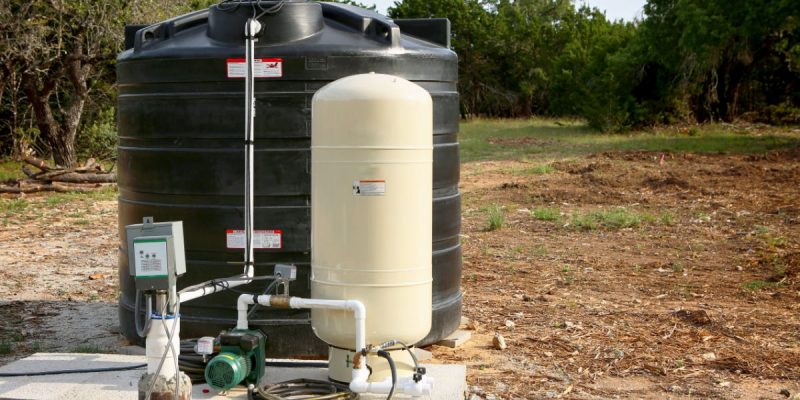
For many homeowners, especially those living outside major cities, a dependable water supply isn’t something provided by a municipal system—it’s something their own home must generate. A private well offers independence, control, and access to clean groundwater, but the system behind it has to function flawlessly every day. The heart of that system is the well pump and pressure tank, two components that determine whether water reaches your faucets, appliances, and irrigation system efficiently.
When either one fails, the entire household comes to a standstill. No running water means no showers, no washing dishes, no cleaning, and no proper use of essential appliances. That’s why choosing, maintaining, and understanding these systems is crucial for long-term reliability.
This article breaks down why a reliable well water setup is essential, how it works, common issues to watch for, and how the system can be strengthened—whether you rely on a modern setup or even a hand pump for deep well as a backup solution.
- Your Home’s Water Access Depends Entirely on the Well Pump System
Unlike city-dwellers, well owners don’t have a water company ensuring the water pressure, purity, or movement through the household. Everything hinges on having a functional, well pump and pressure tank system. If either part malfunctions, the flow of water can slow to a trickle or stop completely.
How the system works
- The well pump lifts water from deep underground and pushes it toward the home.
- The pressure tank stores water and keeps pressure stable, so the pump doesn’t constantly turn on and off.
Most modern pumps are electric, but some homeowners also keep a hand pump for deep well access as a fail-safe solution for power outages or emergencies.
Without these components working together, neither water volume nor pressure can remain steady. That’s why reliability is not a luxury—it’s fundamental.
- Steady Water Pressure Improves Daily Comfort and Efficiency
Proper water pressure is one of the biggest distinctions between a healthy well system and a struggling one.
Good pressure impacts what you use every day:
- Shower strength
- Dishwasher and washing machine performance
- Outdoor hose pressure
- Irrigation system efficiency
- Water filtration system performance
A properly functioning well pump and pressure tank ensure a consistent flow, no matter how many taps are open. Without that balance, you may notice:
- Short bursts of pressure followed by weak flow
- Faucets sputtering
- Water is taking longer to reach fixtures
- Pumps running too often
The pressure tank is especially important because it moderates pressure and reduces pump wear by limiting the number of times the pump has to activate.
Daily comfort depends on water pressure more than most homeowners realize. A reliable system protects that comfort.
- A Reliable System Helps Avoid Expensive Repairs and Early Replacement
Well systems are designed to last, but only if they operate under the right conditions. When they fail, the repair costs can be high.
A failing pump or tank often leads to:
- Burned-out motors
- Frequent cycling
- Damaged pressure switches
- Air in water lines
- Premature system failure
These issues can quickly escalate into major repairs. A well pump replacement alone can be costly, and problems with the pressure tank often lead to pump burnout due to short cycling.
Preventative measures make a huge difference
By ensuring reliability and proper operation, homeowners can extend the life of their system dramatically. For those living in storm-prone or rural areas, having a hand pump for deep well nearby can also prevent emergency repair costs by providing temporary access to water until the main system is restored.
- Water Quality and Safety Depend on Proper Pump Function
A failing pump doesn’t just affect water pressure—it can compromise the safety of the water itself.
Common water quality risks caused by failing pumps:
- Sediment is being pulled from the bottom of the well
- Contaminants are entering due to low pressure
- Bacterial growth caused by inconsistent water flow
- Cloudy, dirty, or gritty water
If the well pump doesn’t draw water at the correct rate, it may start picking up debris from lower levels of the well. Inconsistent pressure can also disrupt filtration systems, leading to unsafe water entering the home.
Maintaining the pressure tank also supports water cleanliness
A damaged or waterlogged tank can lead to:
- Iron buildup
- Mineral deposits
- Reduced filtration performance
- Stagnant water inside the system
Water is only as clean as the system that transports it. That’s why reliability isn’t just about pressure—it’s also about safety.
- A Reliable Well System Ensures Preparedness During Emergencies
Homes that depend on private wells are also dependent on electricity—unless they plan ahead. When the power goes out due to storms, outages, or harsh winter conditions, the well pump stops working.
This is where backup methods matter.
A hand pump for a deep well provides priceless security
Even though electric pumps handle day-to-day usage, many homeowners invest in a manual backup pump that can pull water from deep aquifers without electricity. This is especially valuable if:
- You live in rural or remote areas
- Your area experiences severe storms or winter weather
- You rely heavily on well water for livestock or gardening
- You want an extra layer of emergency preparedness
A reliable main pump system coupled with an emergency backup ensures that you’re never left without water during critical moments.
- Energy Efficiency Depends on a Healthy Pump and Tank System
A neglected or aging well system may still function, but it could be consuming far more energy than necessary.
Signs your system is wasting electricity:
- Pump cycles on and off frequently
- The pressure tank fails to hold pressure
- The pump stays running longer than it should
- Higher-than-normal power bills
A well pump is one of the most energy-intensive systems in rural homes. A failing pressure tank forces the pump to activate repeatedly, significantly increasing power usage.
Ensuring the well pump and pressure tank operate efficiently can lead to major long-term savings.
- A Pressure Tank Protects Your Plumbing System
Many homeowners don’t realize that the pressure tank is just as important as the pump. Its job is to absorb pressure fluctuations, preventing stress on pipes and fixtures.
When the tank is failing, you may notice:
- Hammering or banging pipes
- Fluctuating shower pressure
- Short bursts of high pressure
- Premature wear on valves and plumbing connections
Reliable pressure tanks act as shock absorbers for your plumbing system, protecting your pipes from unnecessary strain.
- Consistent Irrigation Depends on a Strong Well Water System
Many homes in rural areas rely on well water, not just for indoor use but also for lawns, gardens, livestock, and crops.
An unreliable pump system may cause:
- Dry patches in lawns
- Weak pressure to sprinklers
- Interrupted watering cycles
- Damaged irrigation equipment
A reliable well pump and pressure tank ensure that your home’s outdoor needs are met just as consistently as indoor needs. For large properties, the difference between weak and strong water pressure can impact plant health and overall landscape maintenance.
- Early Warning Signs Can Save the System From Failure
Knowing what symptoms to watch for can save homeowners thousands in repair costs.
Common signs your system may be failing:
- Pump cycling on and off too quickly
- Sudden drops in water pressure
- Spitting air from faucets
- Unusual noises from the tank or pump
- Dirty or cloudy water
- The pressure switch is malfunctioning
- Pump running continuously
Addressing issues early usually involves far simpler and cheaper repairs than waiting for major failures.
- Preventative Maintenance Extends System Lifespan
A reliable system isn’t just about the equipment itself—it’s about ongoing care.
Routine maintenance includes:
- Checking the air pressure in the pressure tank
- Inspecting the pressure switch
- Testing pump performance
- Flushing the tank if needed
- Verifying water levels in the well
- Monitoring for sediment buildup
Homeowners who take the time to understand their system and schedule regular preventative inspections see far fewer breakdowns and enjoy more consistent water quality.
And once again, having a hand pump for deep well as part of your emergency planning ensures that even if maintenance is delayed or unexpected issues arise, you’re still prepared to access your water supply.
A Reliable Well Water System Protects Your Home, Health, and Comfort
A private well offers incredible long-term advantages—independence, natural water, and control over your home’s water supply. But with that independence comes responsibility. The entire system relies on the well pump and pressure tank operating in harmony to deliver clean, steady, and reliable water every day.
From ensuring comfortable water pressure, protecting plumbing systems, supporting irrigation, and maintaining water safety to providing peace of mind during emergencies, a well-maintained system is essential. When supported by smart maintenance and even a backup solution like a hand pump for deep well, homeowners can be confident their water supply is protected year-round.